Your garage door opens and closes in a day so many times. On average, it moves around like 1,500 times yearly. That’s a lot of stress on springs, cables, rollers and tracks. It goes unnoticed until something breaks.
Here is the thing though. 78% of garage door failures happen with zero warning. One morning it works. The next, it doesn’t. The failure didn’t happen suddenly. It was building for months, sometimes longer, from parts that were slowly wearing out and never got looked at.
More than 65% of homeowners skipping maintenance spend more on repairs. That’s not a one-off situation. That’s most people and it’s the kind of thing that’s easy to avoid if you stay on top of it.
A garage door is the largest moving part in your home. It doesn’t maintain itself.
What Happens When You Skip Maintenance
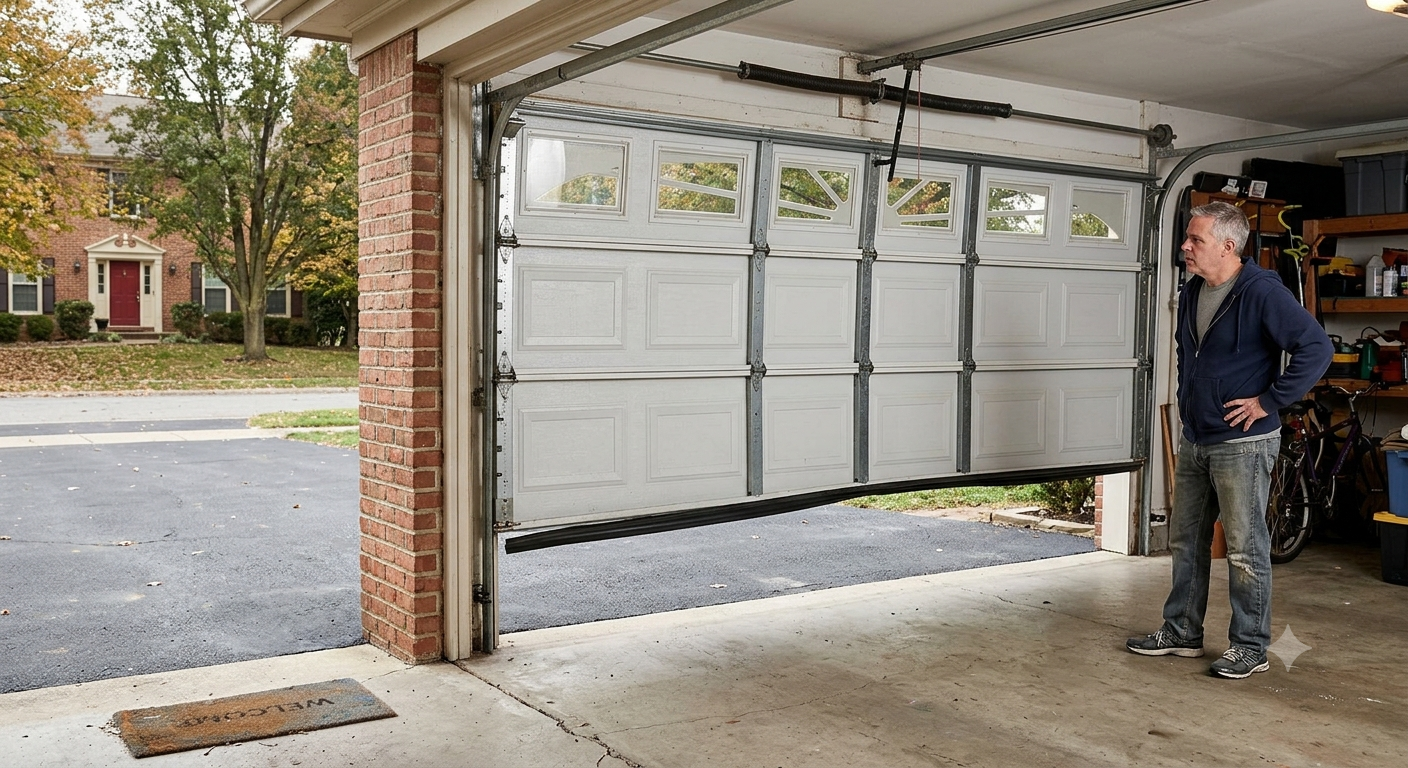
Most garage door problems start small and grow quietly. A cable wears down a bit. A roller gets flattened on one side. A track shifts just slightly out of position. Nothing feels urgent. Then one day the door won’t open, or worse, it comes down wrong.
Here is what usually develops when upkeep gets ignored:
- Springs wear out faster when the door’s weight isn’t balanced properly across both sides
- Rollers that haven’t been lubricated scrape against the track and start to bend it over time
- Weatherstripping dries out and separates, letting in water and pests
- The opener strains every time it moves a stiff or unbalanced door and that wears it out early
- Bolts and hinges loosen from the constant movement and the door slowly shifts out of alignment
One problem causes the next. A track slightly out of position stresses the cables. Stressed cables wear springs faster. By the time something actually breaks, it usually isn’t just one thing. That’s the real cost of skipping garage door upkeep.
Springs are one of the more telling parts of the whole system. Most homeowners don’t know what early warning signs actually look like until it’s too late, so it helps to know what your garage door may already be signaling about spring repair before things get worse.
What a Proper Garage Door Tune-Up Actually Covers
Most people think maintenance means a quick spray of lubricant. It covers a lot more than that.
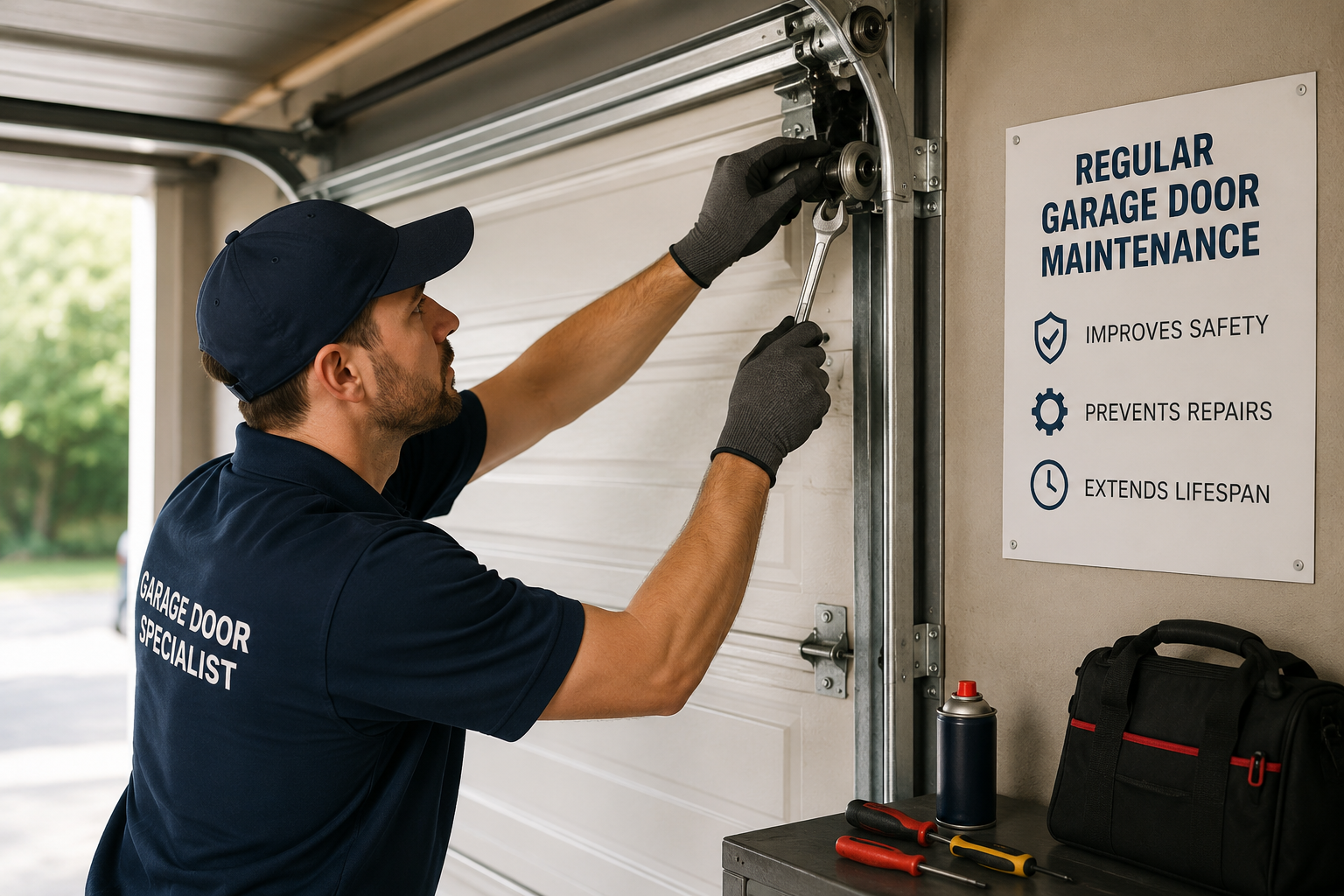
A real garage door tune-up goes through the whole system:
- Springs: Checked for rust and wear. Also sees if the tension is even on both sides. When one side is carrying more load, the door tilts while moving and strains the opener and cables.
- Cables: Looked over for fraying and rust. They carry the weight of the door along with the springs. A cable showing early wear needs attention before it goes completely.
- Rollers: Checked for cracks and worn spots. Once they stop rolling cleanly they start dragging instead and that slowly damages the track.
- Tracks: Need to be straight, clean and at the right angle. Even a small dent or bend is enough to make the door stick or move roughly.
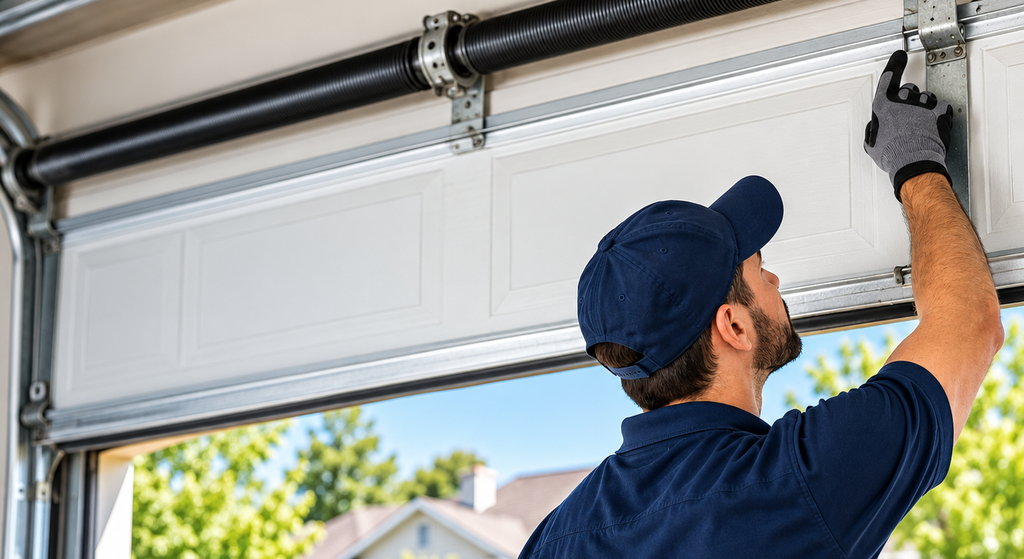
- Hinges and hardware: Loosen over time from the repeated movement. Tightening them keeps all the panels moving together the way they should.
- Lubrication: Springs, roller stems, hinges and the opener’s moving parts all need a proper lubricant. White lithium grease or a silicone spray works well. Skip the WD-40, it removes grease rather than adding it.
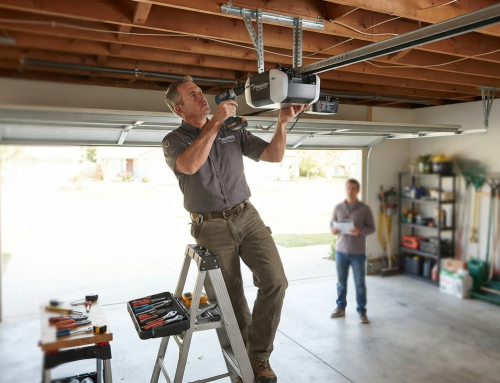
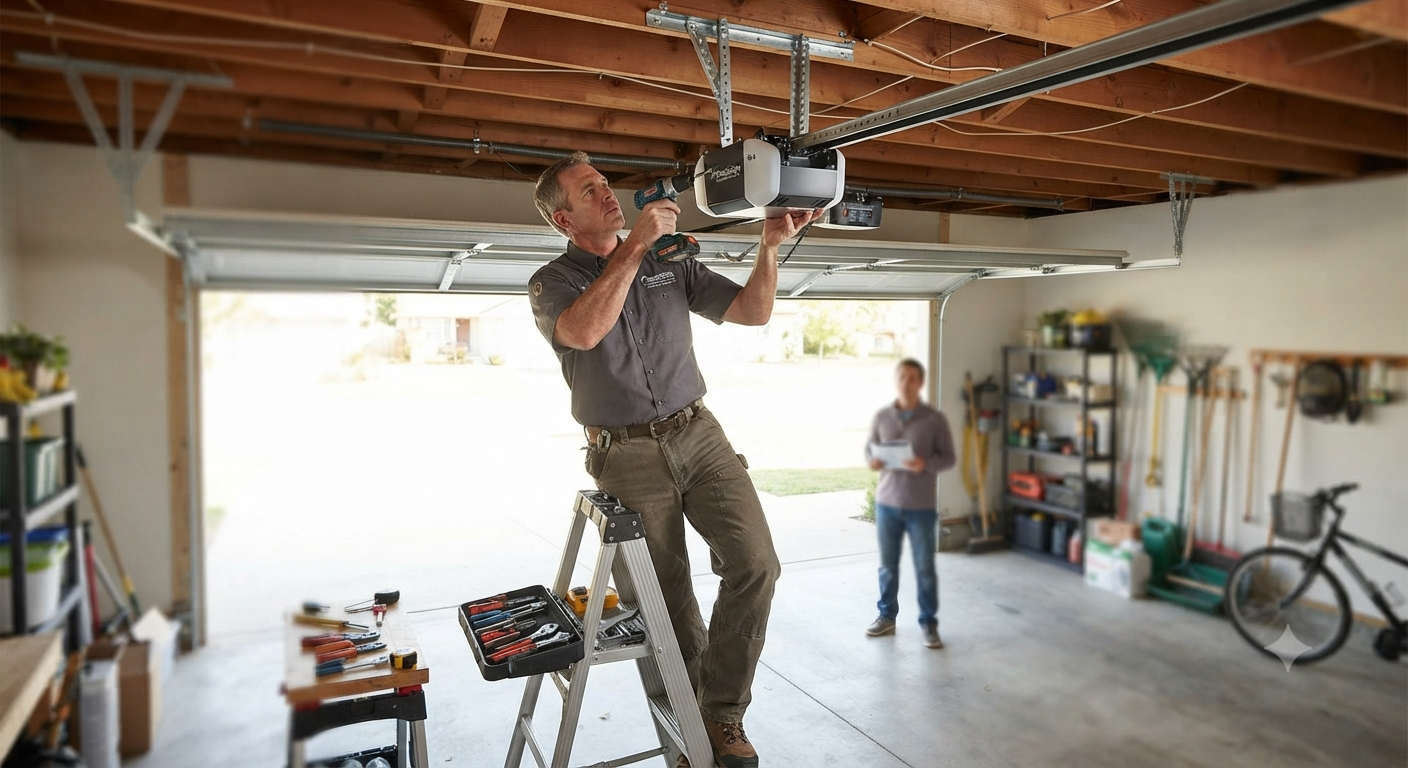
- Opener: Safety reverse sensors get tested. Force settings get checked. The drive mechanism, whether chain, belt, or screw, gets inspected since that’s where most opener issues actually start.
- Weatherstripping: Seals along the bottom and sides keep rain, bugs and outside air out. When they crack or pull away, energy costs go up and moisture gets in.
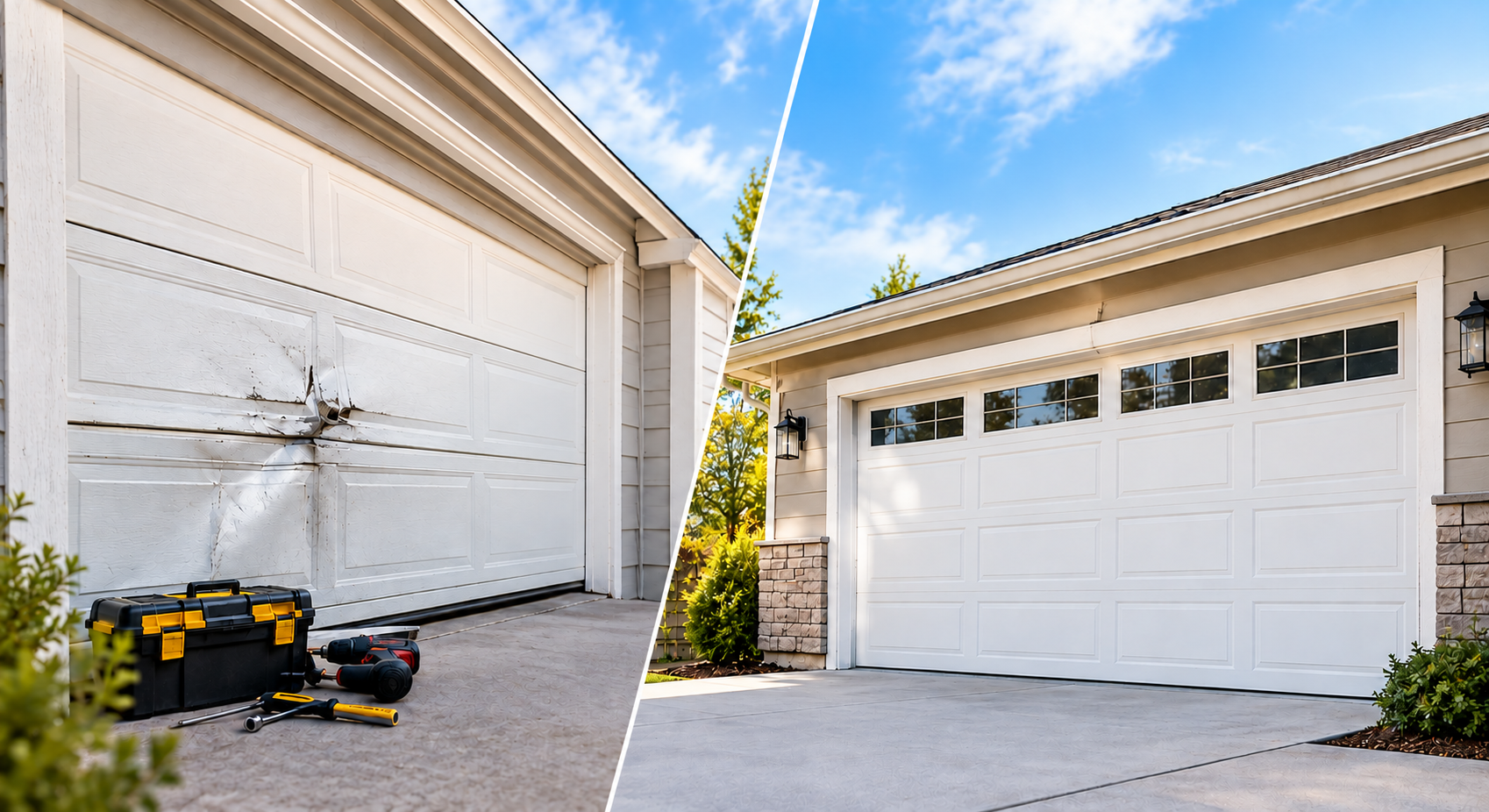
If you are at the point where replacing the door makes more sense than repairing it, the style you pick matters just as much as the build quality. Take a look at what works best for homes in Birmingham before making that decision.
How Maintenance Connects to Long-Term Savings
When parts are in decent shape, they last longer. That’s the whole idea behind garage door preventive maintenance.
An opener that isn’t fighting a heavy or uneven door holds up better over the years. Rollers that aren’t grinding through grime last until they’re supposed to be replaced. Springs that are properly balanced don’t snap early.
There’s an energy angle too. In Alabama, summers are hot. A door with failing seals lets cool air out of an attached garage month after month. You won’t feel it in a single bill, but it adds up across a full year.
The savings that come from regular garage door maintenance don’t land all at once. They show up as parts that lasted their full life. An opener that didn’t need early replacement and repair calls that never had to happen.
How Often Should You Schedule a Garage Door Inspection?
Once a year is enough for most homes. If the garage is the main entry point and the door opens six or more times a day, twice a year makes more sense.
Alabama weather plays into this. Summer heat and humidity speed up rust on springs and cables. Cold winters change how lubricants hold up. Quick check to make sure nothing shifted after a bad storm.
Between professional visits, a basic look once a month takes just a few minutes. Watch for:
- Any new sounds maybe grinding or squeaking and popping when the door moves
- Whether the door hesitates or moves unevenly at any point
- Whether it sits level when fully closed
- Whether the opener stops and reverses when something is placed in its path
If something feels different from normal, that’s worth a call.
Garage Door Upkeep You Can Do Yourself
A few things are easy enough to handle without calling anyone:
- Lubricate twice a year: Springs, roller stems, hinges and the opener’s moving parts. Keep lubricant out of the tracks. Tracks need to be cleaned, not greased.
- Clean the tracks: A rag and basic household cleaner takes care of built-up dirt and old grease that causes the door to drag.
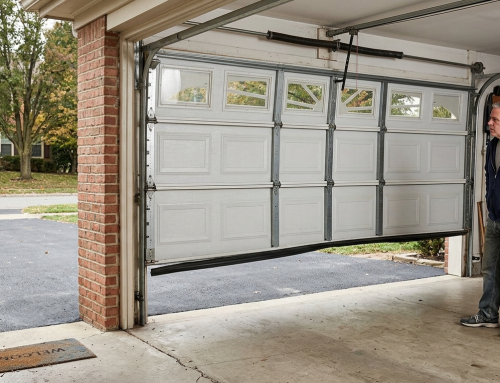
- Test the balance: Disconnect the opener by pulling the red cord. Lift the door by hand to about waist height and let go. It should stay put. If it drops or drifts up, the springs need a professional.
- Tighten the hardware: Bolts and brackets back out from all the daily movement. A socket wrench and a few minutes fixes that.
- Check the bottom seal: If it’s cracked or letting light through at the floor, it’s a simple fix. Most hardware stores carry replacements.
A Note on Door Quality and What It Still Needs
Well-built doors like Clopay Doors and Amarr Doors use stronger materials and tend to hold up over a longer stretch. But even a quality door needs regular attention to keep working the way it was built to.
A good door with worn rollers or a slightly off track is still working against itself every single time it moves. Better construction gives you more time before things go wrong. Maintenance is what actually protects that over the years.
Why Alabama Homeowners Trust Affordable Garage Doors
Affordable Garage Doors is a family company helping homeowners across Alabama for years. We are licensed, insured and A+ rated with the Better Business Bureau.
Our approach is simple. A technician looks at the door and tells you what it actually needs. No pushing for replacements when a repair works fine. No vague advice. Just a straight answer on where the door stands and what needs to happen next.
Their garage door maintenance services cover everything: springs, cables, rollers, tracks, hardware, opener and weatherstripping. If it’s been over a year since anyone looked at your door, this is a solid place to start.
Conclusion
A garage door that works today isn’t a guarantee it’ll work next week. Springs age. Rollers wear. Bolts loosen. It happens gradually and most of the time there is no warning before something stops working.
Keeping up with regular garage door maintenance is what gets ahead of that. It costs less over time, keeps the door and opener running longer and takes away the stress of an unexpected breakdown.
If your door hasn’t had a proper inspection this year, now is a good time to get it on the calendar. The team at Affordable Garage Doors is available around the clock.
FAQs
1. How often should a garage door be serviced?
Once a year works for most homes. Heavy-use households are better off with twice a year. After a major storm, a quick check is always a good idea.
2. Can I do garage door maintenance on my own?
Some of it. Lubricating parts, cleaning tracks, tightening bolts and checking the door’s balance are all things homeowners can do themselves. Springs and cables are a different situation. They hold a lot of tension and need a trained technician.
3. What should I watch for between service visits?
Unusual sounds during operation, slow or rough movement, visible rust on springs or cables, gaps in the bottom seal and a door that doesn’t close evenly are all signs worth acting on early.
4. How long do garage door springs last?
Standard torsion springs are usually good for around 10,000 cycles, which is roughly 7 to 10 years for most households. High-cycle springs last longer. Regular inspections give you a heads-up before they become a problem.
5. Is getting annual maintenance actually worth it?
Yes. Serviced parts last longer. The opener runs better. Small issues get caught before they turn into big ones. The cost of skipping it tends to catch up later, just all at once instead of spread out.