Your garage door opener is one of the hardest working systems in your Alabama home. Whether you are leaving for work or returning after errands, you can rely on your garage door for smooth functioning. It keeps operating quietly in the background. Many homeowners do not think much about it until garage door opener problems start.
Key Takeaways:
- Unusual noises and excessive vibration are signs of mechanical issues.
- Slow response times, inconsistent operation or reduced remote performance can signal electrical or component related problems.
- Unexpected door reversals, sensor malfunctions that stop the door mid cycle, can be a threat to safety.
- Alabama’s humidity and seasonal weather changes can accelerate wear on garage door systems.
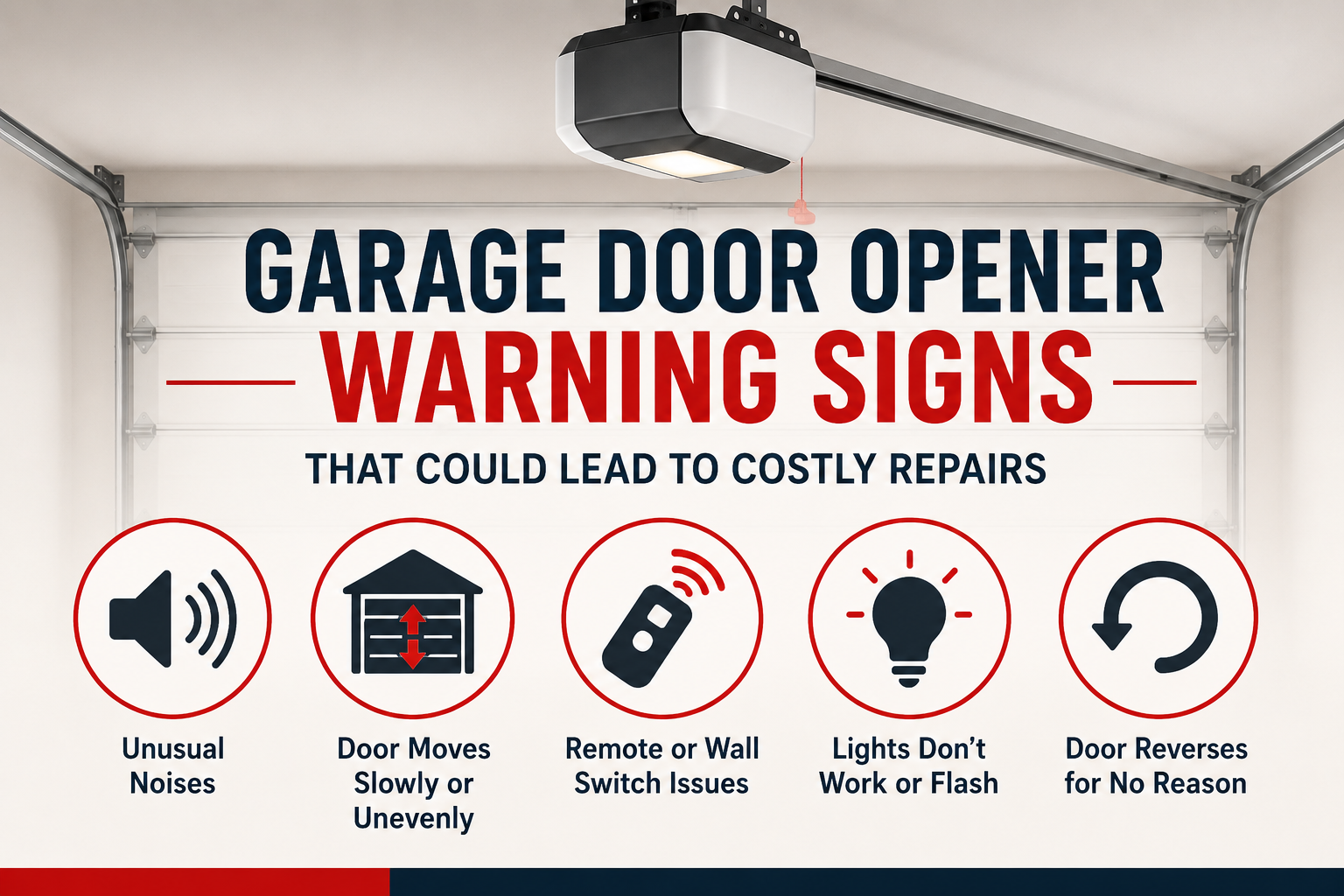
Garage door openers often display warning signs well in advance. Even small changes in performance may be a sign of attention. According to PubMed Central (PMC) around 35,000 people get seriously injured due to garage doors each year. The changing weather conditions of Albama like high humidity and heavy rain can also damage garage door components over time. Recognizing these signs early can help prevent extensive repairs and accidents.
Why Garage Door Opener Problems Shouldn’t Be Ignored
A garage door opener consists of several components like springs, rollers, tracks, cables and safety sensors. Even if one part of the component is not functioning properly, it will cause the garage door to malfunction. Over time, this added strain can affect performance and increase wear on important components.
Common causes of garage door opener issues in Alabama are:
- Normal wear and tear
- Aging mechanical parts
- Electrical component problems
- Sensor malfunctions
- Lack of routine maintenance
- Problems with other garage door components
- Humidity related corrosion
- Weather changes
The sooner a problem is identified, the easier the maintenance work will be. The garage door will also be durable in the long run.
-
Unusual Noises During Operation
One of the most noticeable warning signs of a faulty garage door opener is a change in the sound. Though every opener produces some noise, sudden unusual sounds are signs of a problem. Listen for sounds such as:
- Grinding
- Rattling
- Squeaking
- Clicking
- Excessive humming
Humidity in Alabama can sometimes contribute to rust or worn out components, leading to additional noise during operation.
Slow Response When Activating the Opener
A properly functioning garage door opener should respond quickly when you press the wall button or remote control. If you notice a delay between pressing the button and the door beginning to move, there may be an underlying issue affecting performance.
Possible causes include:
- Electrical problems
- Aging opener components
- Signal interference
- Internal wear
Many Alabama homeowners continue using the opener because it still works. However, a delayed response usually becomes worse over time. Addressing the issue early may help prevent a complete loss of operation.
-
The Garage Door Opens or Closes More Slowly
Garage doors are designed to move at a consistent speed. If it opens or closes more slowly than usual, the opener may be experiencing additional strain. Several factors can contribute to slower operation:
- Worn opener components
- Increased resistance within the system
- Garage door balance issues
- Mechanical wear
A slow-moving door doesn’t always mean the opener is failing. It does indicate that something within the system requires attention.
-
Inconsistent Performance
Few garage door problems are more frustrating than an opener that works intermittently. You may notice situations where:
- The remote works sometimes
- The wall button responds inconsistently
- The opener starts and stops unexpectedly
- The door operates normally one day then struggles the next
Intermittent operation often points to electrical issues, wiring concerns or aging electronic components.
-
The Door Stops Before Completing Its Cycle
A garage door should travel smoothly back and forth. If the door stops midway then it is a sign of a problem.
Potential causes include:
- Sensor issues
- Mechanical resistance
- Electrical concerns
- Opener strain
Repeated interruptions can place additional stress on the opener. It can further lead to further wear if left unresolved.
-
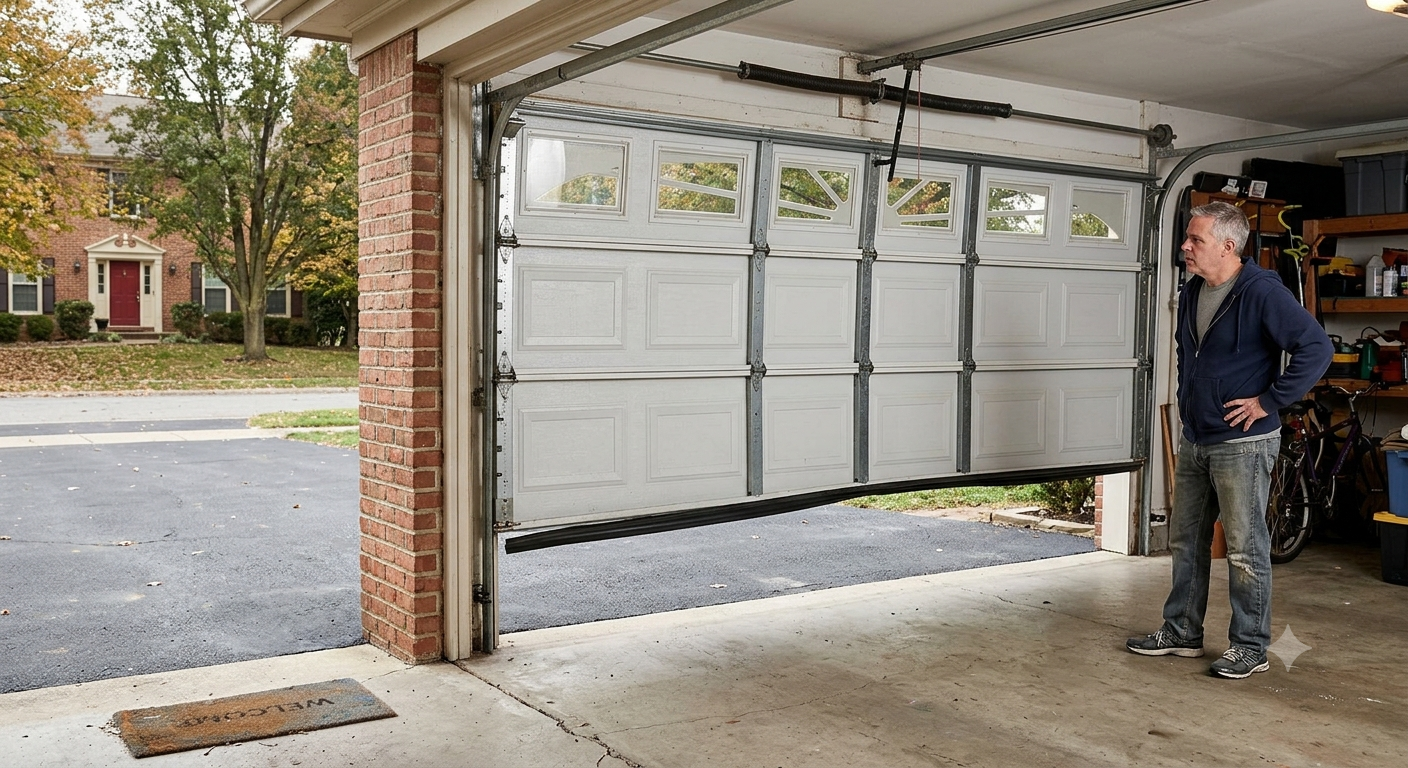
The Door Reverses Without an Obvious Reason
Modern garage door systems include safety features designed to prevent accidents and injuries. If your garage door begins closing then suddenly reverses direction without encountering an obstruction, something may be interfering with normal operation.
Common causes include:
- Misaligned safety sensors
- Sensor communication issues
- Wiring problems
- Incorrect opener settings
The reversing feature is an important safety function. Repeated false reversals indicate that the system should be inspected.
-
Safety Sensor Problems
Garage door safety sensors play a critical role in protecting people, pets, and property.
When sensors aren’t functioning properly, homeowners may experience:
- Blinking sensor lights
- Doors that won’t close completely
- Random reversing
- Inconsistent operation
Sometimes sensor issues are caused by dirt, debris or alignment problems. Sensors are directly related to safe operation, recurring problems and so they should be addressed promptly. Because sensors are directly related to safe operation, recurring problems should be addressed promptly.
-
Excessive Vibration During Operation
Some vibration is normal when a garage door opener is running. Excessive shaking or movement is not. Increased vibration may indicate:
- Loose mounting hardware
- Worn internal components
- Garage door balance issues
- Loose brackets or fasteners
Over time, vibration can contribute to additional wear throughout the system. Identifying the source early can help prevent extensive repairs.
-
The Opener Appears to Be Working Harder
A garage door opener should be able to move the door without much effort. If it is struggling, then there is an issue with the entire system. This can happen when:
- Springs begin wearing out
- Components become damaged
- Resistance increases within the door system
Many Alabama homeowners assume the opener itself is failing. The actual problem may involve another garage door component. Continued strain can shorten the lifespan of the opener.
-
Reduced Remote Control Performance
Remote controls should operate consistently from a reasonable distance. If you find yourself pressing the button multiple times or moving closer to the garage before the opener responds, there may be a problem beyond a simple battery replacement.
Signs of reduced remote performance include:
- Limited operating range
- Delayed response
- Inconsistent activation
- Intermittent communication
Potential causes include signal interference, receiver issues, or aging electronic components within the opener system.
-
Overheating or Burning Odors
The garage door opener warning signs consist of unusual heat coming from the opener housing or a burning smell.
Possible causes include:
- Motor strain
- Electrical issues
- Internal component wear
- Excessive resistance within the system
Ignoring overheating can increase the risk of additional damage and lead to more costly garage door opener repair.
-
Jerky or Uneven Door Movement
A healthy garage door system should operate smoothly. If the door begins moving unevenly or appears to jerk during operation, there may be a developing issue affecting performance.
Potential causes include:
- Mechanical wear
- Increased resistance
- Opener component problems
- Issues elsewhere in the garage door system
Jerky movement often becomes more noticeable over time and should not be ignored.
Garage Door Opener Troubleshooting: Frequent Repairs and Adjustments
Ask yourself these questions:
- Have the repair expenses become too much?
- Do garage components need repair regularly?
- Does the opener continue developing new problems?
Constant garage door opener repair can indicate widespread wear within the system. A professional inspection can help determine whether repair or replacement is the better solution.
How Alabama Weather Can Affect Garage Door Openers
Alabama’s climate can have a direct impact on garage door systems.
Factors that may contribute to opener problems include:
- Humidity
- Rainfall
- Snowfall
- Seasonal storms
- Temperature fluctuations
- Moisture related corrosion
Weather also plays an important role in creating problems in the electrical parts and components of the garage door opener. Not paying attention will lead to expensive repairs.
Simple Things Homeowners Can Check
Many garage door opener issues require professional service. There are a few basic checks homeowners can perform.
These include:
- Replacing remote batteries
- Checking for visible obstructions
- Cleaning safety sensors
- Observing sensor indicator lights
- Looking for obvious signs of damage
If problems continue after these checks, a professional diagnosis is usually the next step.
Why Early Repairs Matter
Many major garage door opener failures begin as relatively minor issues. A small delay in response, a new noise, or occasional inconsistent operation may not seem urgent. These symptoms often indicate that wear is developing somewhere within the system.
Addressing problems early may help reduce the risk of:
- Motor damage
- Gear wear
- Sensor failures
- Additional strain on connected components
- Unexpected breakdowns
Routine inspections and timely garage door opener troubleshooting can help keep your garage door system operating efficiently.
Remember: The Opener Is Part of a Larger System
It’s important to remember that the garage door opener doesn’t work alone.
The opener relies on:
- Springs
- Rollers
- Tracks
- Cables
- Safety sensors
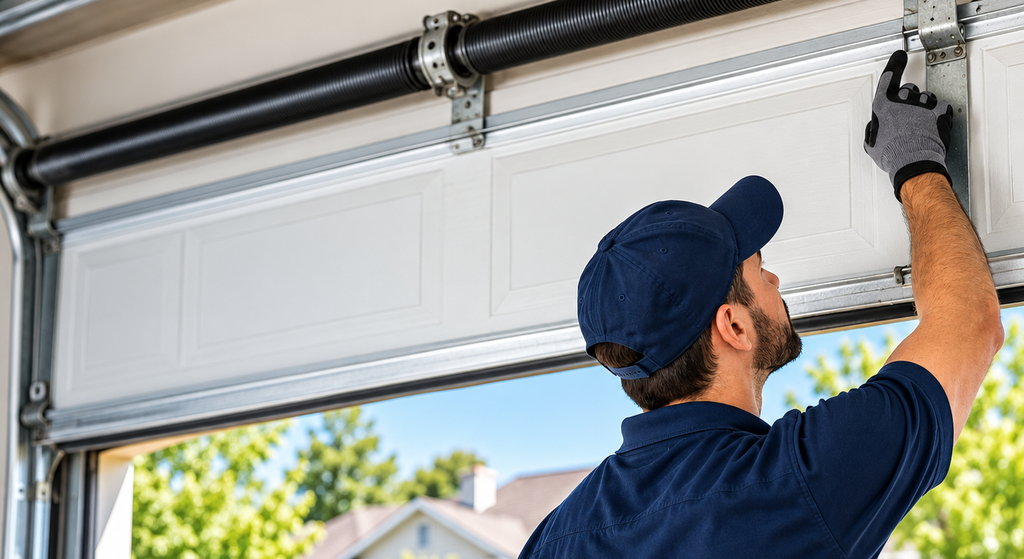
When one of these components develops a problem, the opener often compensates by working harder. For example, worn springs can make the door heavier to lift. Read our blog to find out the 7 signs that your garage door needs spring repair. This places additional strain on the opener. That’s why professional inspections often evaluate the entire garage door system instead of focusing only on the opener.
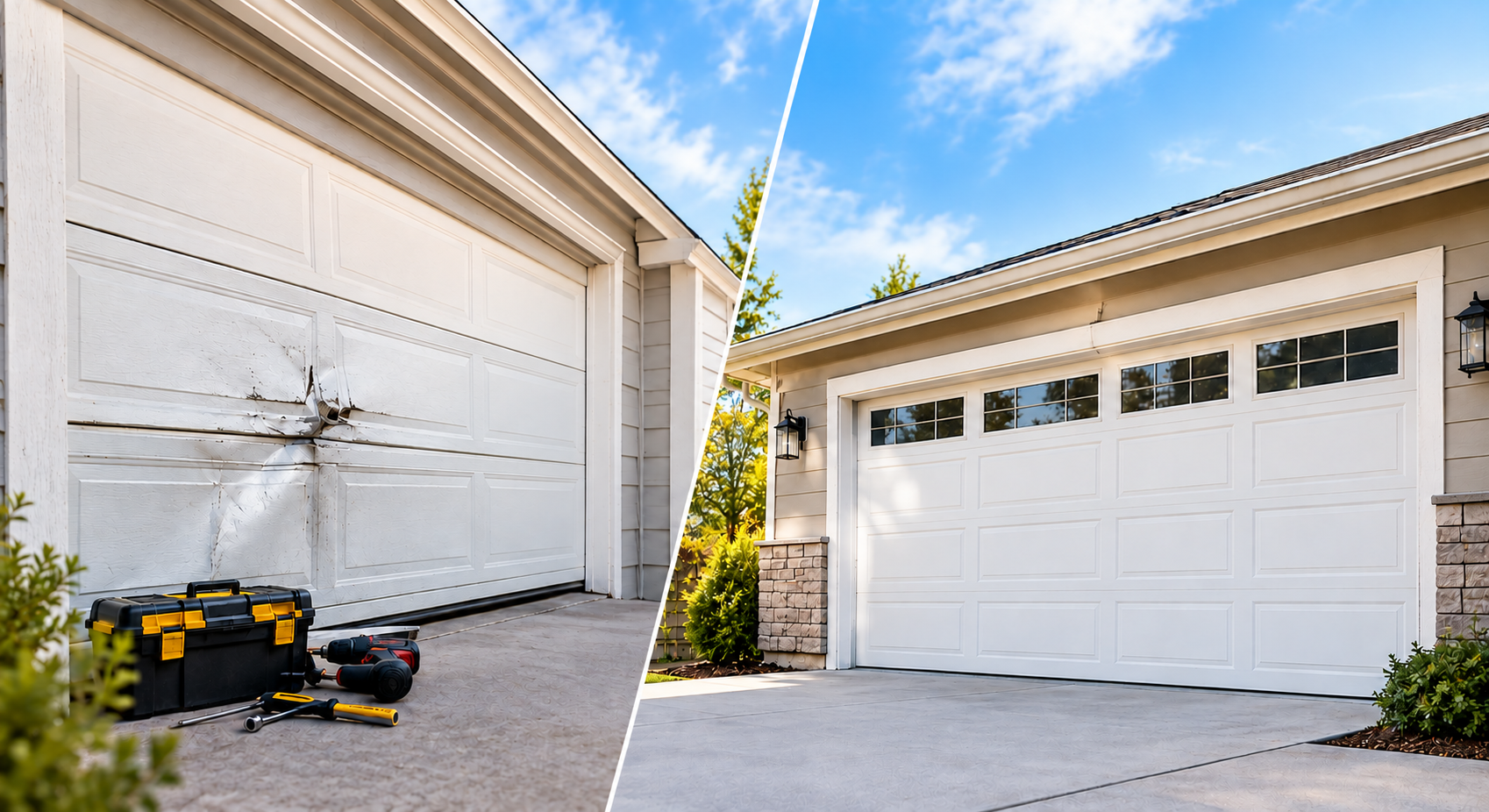
However, in some situations, the issues go beyond repair, and replacement becomes necessary. Homeowners choose modern garage doors from brands like Clopay and Amarr, both of which offer a wide range of residential style garage door styles and insulation options.
Conclusion
Garage door accidents do not happen out of nowhere. They give a lot of warning signs. Recognising these signs early on and immediately acting on them can save you from mishaps and constant repairs.
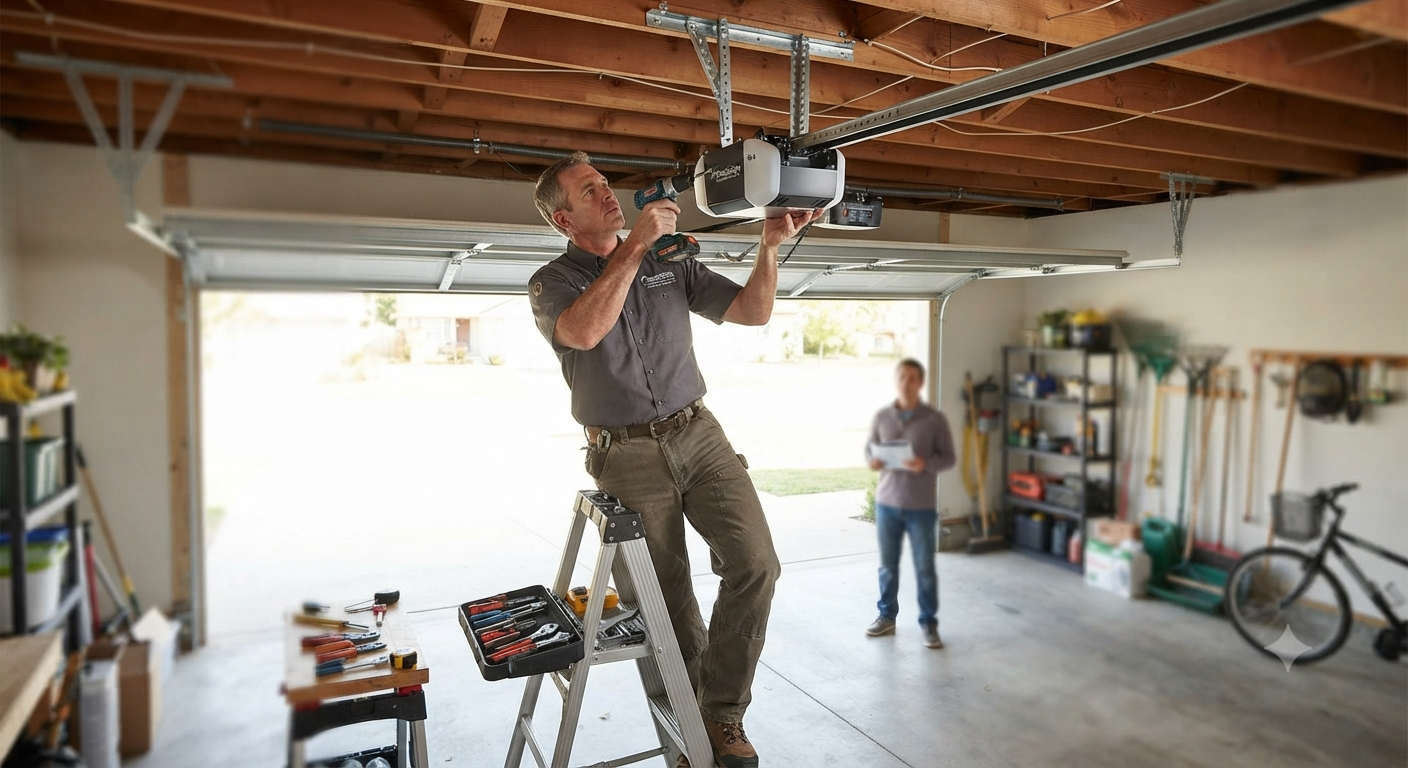
If your garage door opener is showing any of these warning signs, it is time to hire Affordable Garage Doors. We provide professional garage door opener repair, maintenance, and installation services throughout Alabama 24/7. We are licensed, insured and have an A+ rating for our work. Prompt attention today may help prevent more costly repairs in the future.
FAQs
- What is the durability of a garage door opener?
It’s life totally depends on the usage, maintenance and environmental conditions. Frequent use and lack of maintenance may shorten its service life.
- Can a bad garage door increase my energy bill?
Yes, it can increase the energy bill indirectly. The garage door is not closed properly, which will allow the air to pass in. If the garage is attached to the home, the hot or cold air affects the indoor temperatures, which will need to be managed.
- Why does my garage door opener struggle only at night?
Temperature changes, sensor alignment issues and moisture buildup. It can impact the opener’s performance at certain times of the day.
- Can the weather also impact the garage door opener’s performance?
Yes! Heavy rain, storms and weather changes can impact the components and functioning of the garage door.
- Is it safe to use the garage door opener which constantly gets stuck?
Though constant jamming of the garage door can become a big issue if left unattended. Continued use can lead to strain on the components, increasing the chances of an accident.