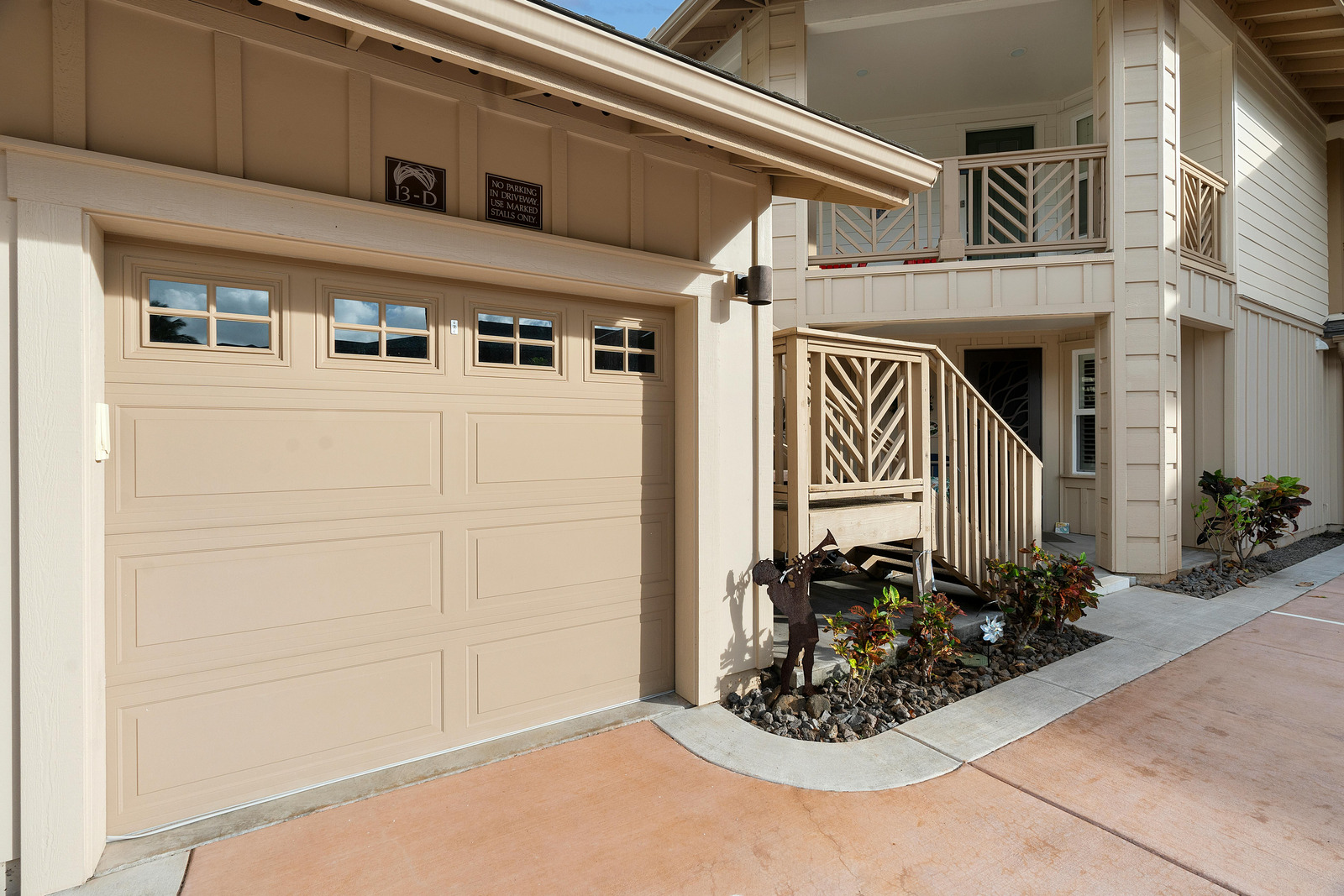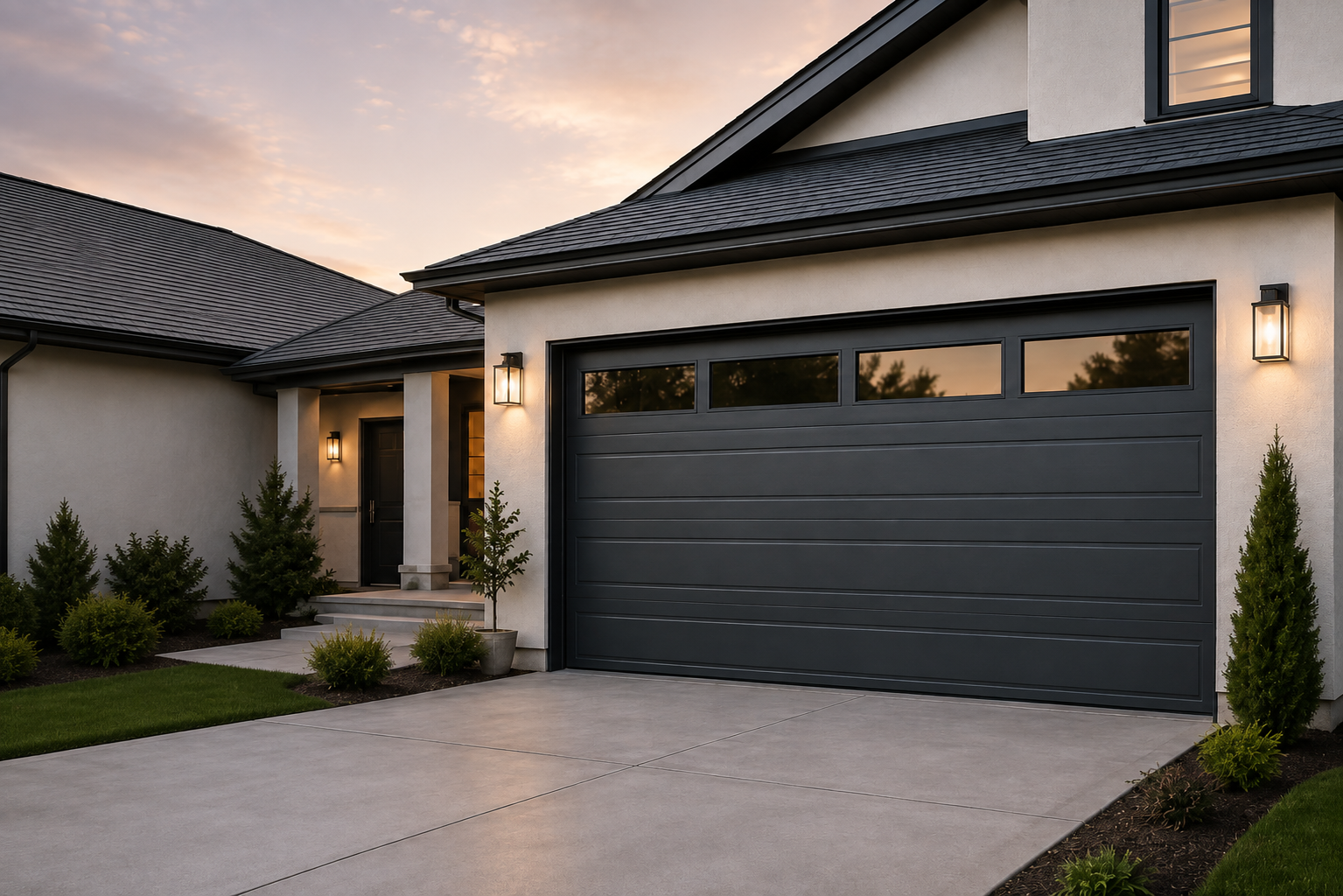
An Amarr Carriage House garage door is built from heavy gauge steel with a carriage style design, decorative hardware and a SafeGuard hinge system meant to keep fingers safe around moving panels. It is a door meant to last for decades but like any garage door, how long it actually performs well depends a lot on the care it gets along the way. We install and service this collection across Alabama and this guide covers the simple habits that keep a carriage house door looking and running the way it did on day one.
What Makes This Collection Built to Last
Before getting into care and maintenance, it helps to understand what you are working with. The Amarr Heritage Carriage House collection uses heavy gauge steel finished with a multi layer paint system designed for long term durability, along with optional polystyrene insulation that brings the door’s R-value into the range of roughly 6.6 to 9.0, depending on the construction chosen. The SafeGuard hinge design is built specifically to reduce the risk of pinched fingers and Mosaic Window Options let you choose the number and placement of windows on the door face.
Similar carriage style construction is also available through our Amarr Carriage Court and Amarr Classica collections, which add composite overlay trim and larger window options for a slightly different look on the same basic principle of durable steel underneath.
None of this construction quality replaces regular care. It just means the door starts from a strong foundation and the habits below are what keep that foundation performing well for the long run.
Inspect Hardware and Decorative Hinges Regularly
Carriage house doors carry more visible hardware than a plain steel door, including strap style hinges, handles and decorative accents. These pieces are functional as well as decorative on most designs, so it is worth checking every few months that:
- Screws and bolts on hinges and handles are still snug and not working loose from vibration.
- Decorative straps are not rubbing against the panel in a way that could wear through the paint finish.
- Hardware finish is not showing early signs of rust particularly around any exposed screw heads.
- Hinges move freely without grinding or catching as the door opens and closes.
Catching a loose bolt early is a five minute fix. Catching it late can mean a hinge working itself out of alignment which puts uneven stress on the panel it is attached to and can eventually affect how the whole door tracks.
Keep the Moving Parts Lubricated
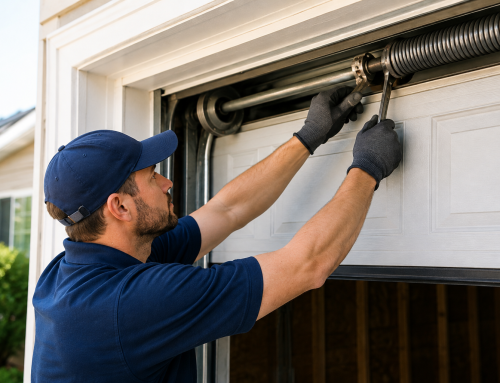
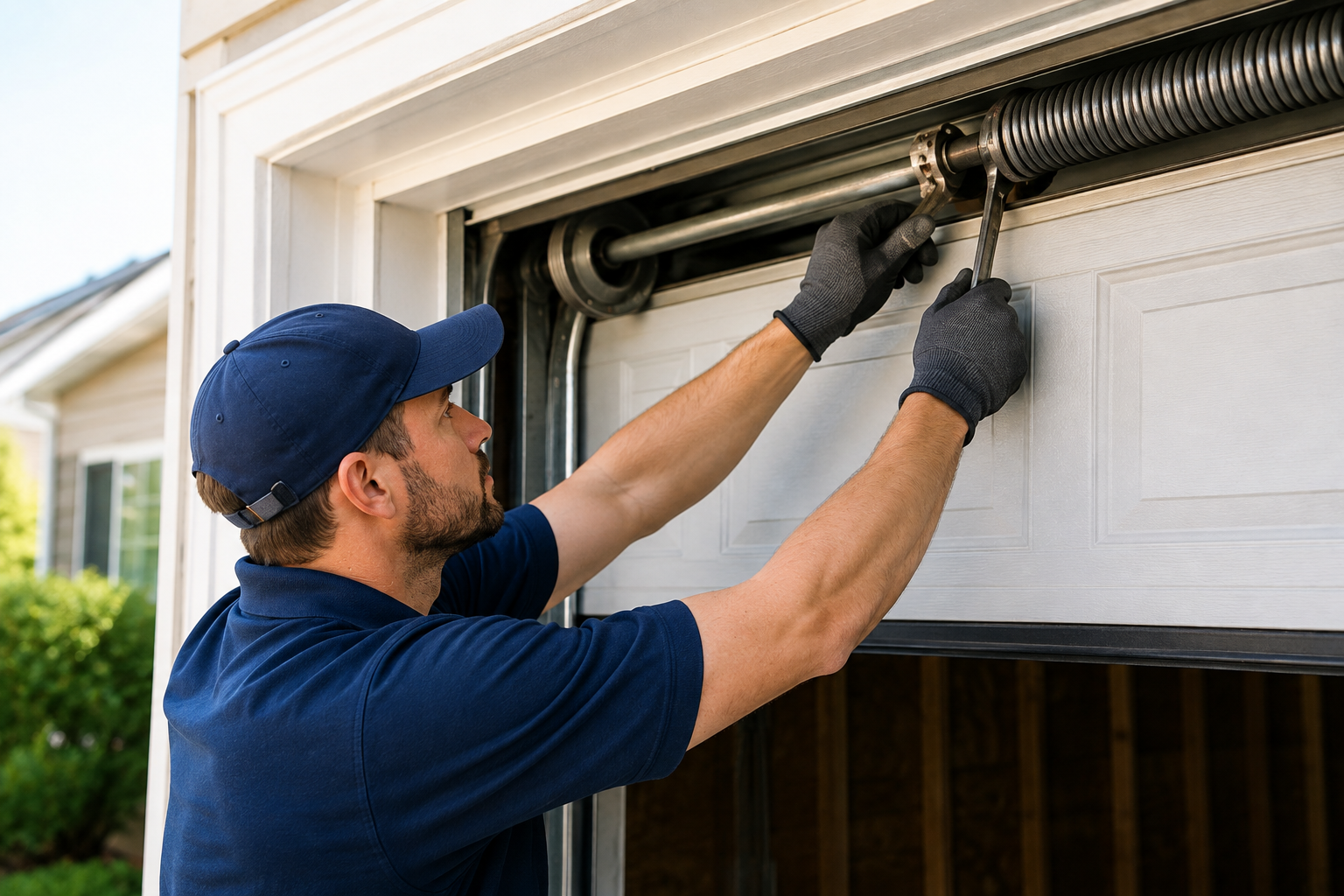
Rollers including hinges and the torsion spring all rely on smooth movement to avoid excess wear. A light coat of a garage door specific lubricant applied a couple of times a year. It helps to keeps friction down and reduces strain on the opener. Avoid heavy grease or general purpose oil as it tends to attract dust and grime rather than keeping things clean.
This is a small task but it is one of the most effective ways to prevent premature wear across the whole system and not just the door itself.
Protect the Paint Finish and Panel Surface
The factory finish on a steel carriage house door is built to resist fading and chipping but it still benefits from basic care.
- Wash the door with mild soap and water a few times a year to clear off dirt, pollen and road grime.
- Avoid pressure washing directly at the seals between panels, since forceful water can push past the weatherstripping.
- Touch up any small chips or scratches in the paint promptly. Exposed steel underneath can begin to rust if it is left unaddressed especially in Alabama’s humid climate.
Check the Weatherstripping and Seals
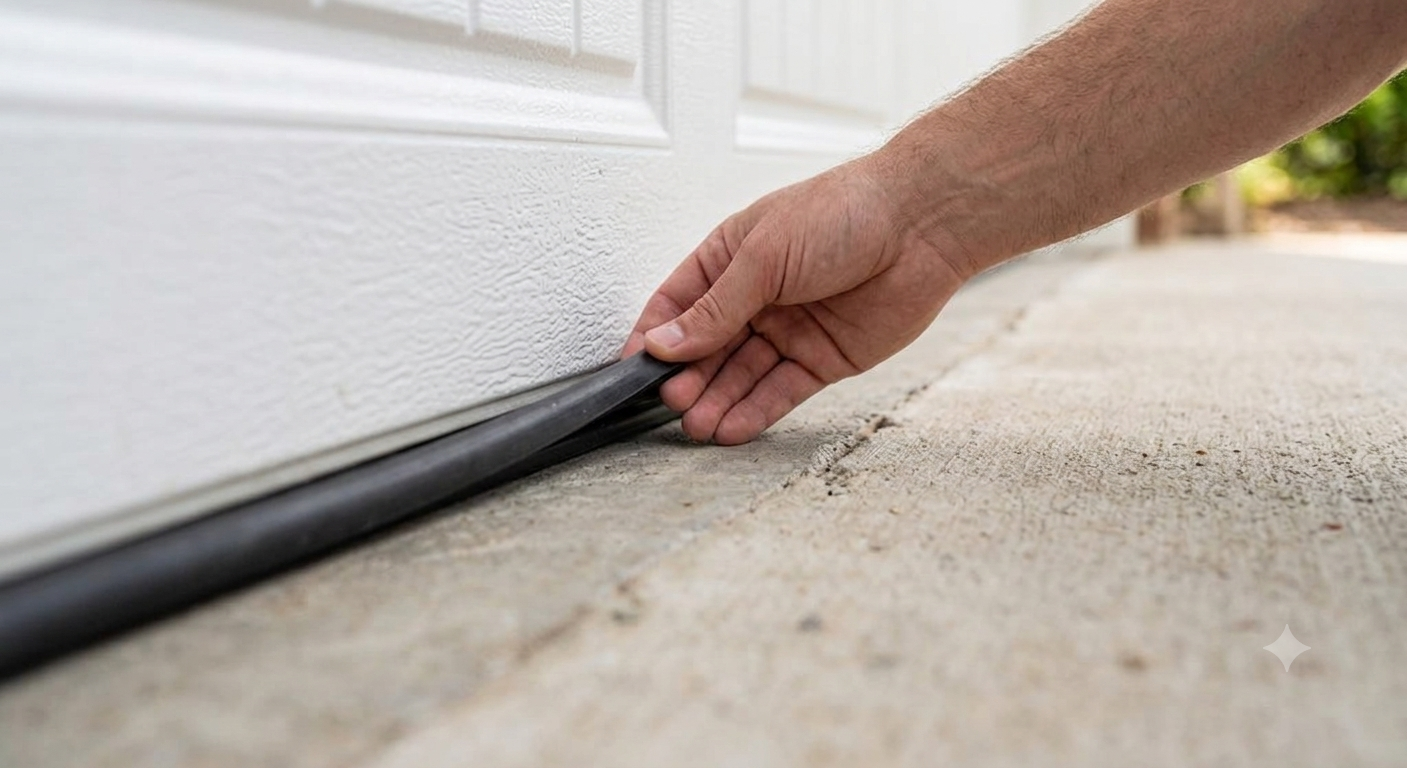
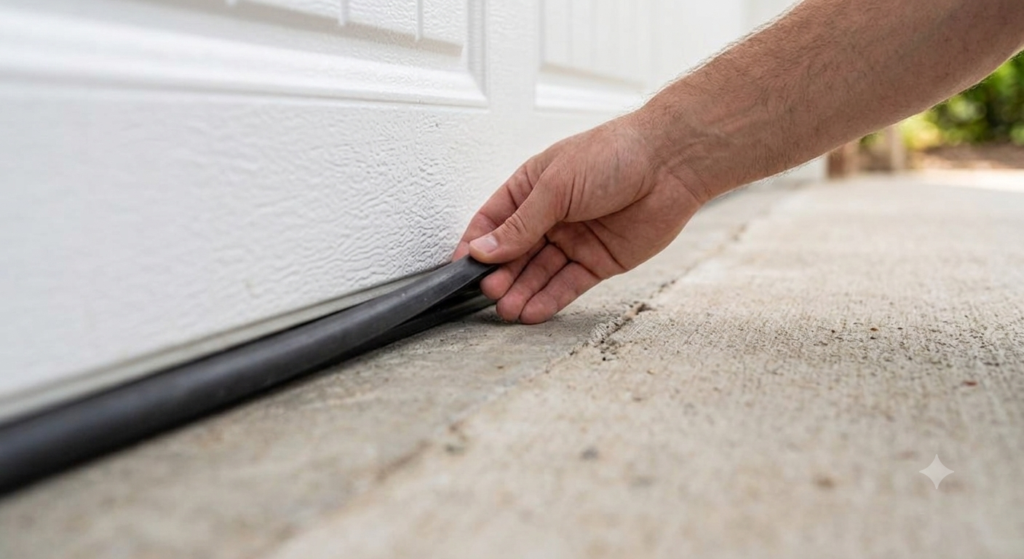
The bottom seal and the seals between panels do more than block a draft. They keep out moisture which matters for both the steel and the insulation behind it.
Over time, seals can crack even flatten or pull away from the frame. A quick visual check twice a year, especially before and after Alabama’s wetter seasons can catch a worn seal before it lets water in.
Watch the Springs and Balance on a Heavier Door
Carriage house doors with composite overlay trim or additional decorative features can weigh more than some basic steel door configurations. That added weight can affect the demands placed on the spring and opener, so proper balance and opener capacity are important. A door that starts to feel heavier when lifted by hand or an opener that seems to strain more than it used to is often the first sign that the spring is nearing the end of its service life.
Torsion springs hold a significant amount of stored tension and the U.S. Consumer Product Safety Commission has long identified garage door spring hardware as a source of serious injury when handled without training. This is one repair that should always go to a professional rather than a DIY attempt, especially on a heavier carriage style door.
Seasonal Care Through Alabama’s Weather
Alabama does not see extreme, sustained cold but the seasonal swings still take a toll on a door’s hardware and finish over time. Humid summers can accelerate rust on any exposed metal, which is why touching up paint chips matters more here than in a drier climate.
Cooler months can bring freeze and thaw cycles that affect how garage door hardware operates, particularly when components are already worn. A quick seasonal check, rather than waiting for an annual visit alone can catch problems tied to these shifts before they turn into a bigger repair.
Schedule Annual Professional Maintenance
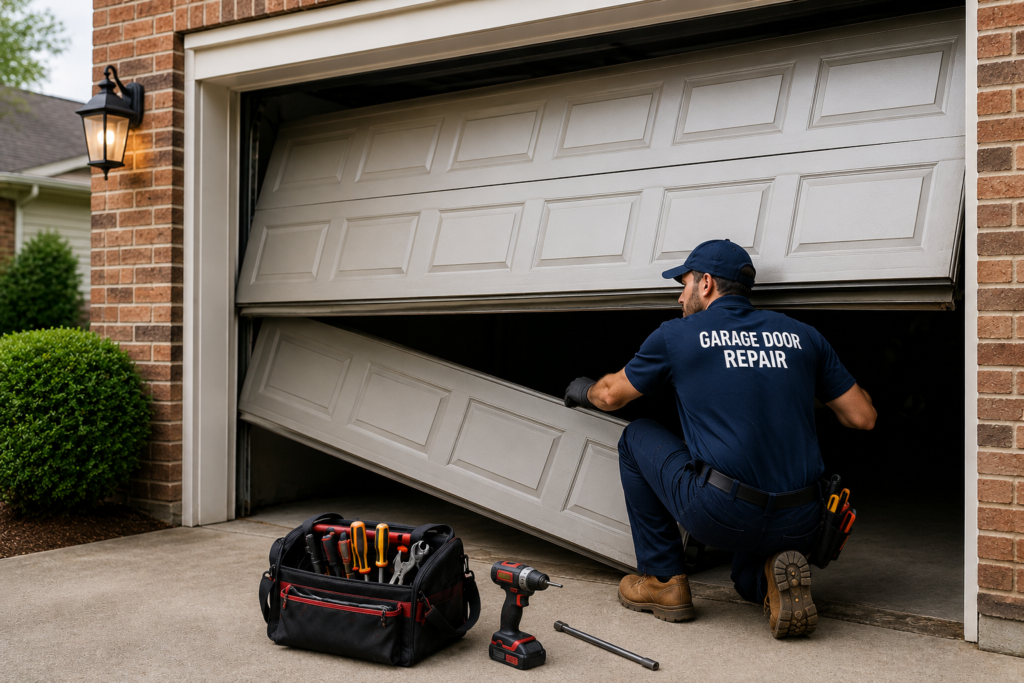
A yearly inspection catches the small issues before they become expensive ones. A technician can check spring tension, balance, track alignment and opener force settings, along with everything covered above. We offer garage door repair and maintenance services across Alabama, including tune ups built around exactly this kind of preventive care.
Signs Your Carriage House Door Needs Attention
A few signals are worth acting on rather than waiting out:
- The door feels noticeably heavier or harder to lift by hand.
- Visible gaps or unevenness appear between panels.
- Hardware looks loose, rusted or is rubbing against the door surface.
- The door makes new grinding, creaking or popping sounds during operation.
Addressing these early is almost always less expensive than waiting for a full failure.
Getting the Most Out of Your Carriage House Door
A well built Amarr Carriage House door can last for decades with the right care and small, consistent maintenance goes a lot further than an occasional deep clean. If you already own one of our Amarr Heritage Carriage House doors or you are still deciding between it and other styles in our Amarr lineup, our team can help with everything from routine tune ups to full spring replacement.
Reach out to us for a maintenance visit or a straightforward look at what your door needs to keep performing well for years to come.
FAQs
How long does an Amarr Carriage House door typically last?
With regular maintenance, steel carriage house doors commonly last 20 to 30 years, though heavy use or coastal humidity can shorten that range if upkeep is neglected.
Can I pressure wash my carriage house garage door?
Light pressure washing from a distance is generally fine but avoid aiming directly at panel seals or weatherstripping, since that can force water past the seal.
Do carriage house doors need a heavier duty opener?
Often yes, especially with composite overlay trim or added hardware, since the added weight can be more than a builder grade opener was designed to handle.
How often should decorative hardware be tightened or checked?
A quick check every few months is a good habit, since vibration from regular use can gradually loosen screws and bolts over time.
Is it normal for a carriage house door to be noisier than a flush steel door?
Some added noise is common due to the extra hardware and panel detailing, though a sudden increase in noise usually points to a maintenance issue rather than just the door’s design.